Introduction
In the ever-evolving landscape of industrial automation and logistics, the efficiency of material handling processes plays a pivotal role in the overall productivity of businesses. One technological innovation that has gained significant attention for its potential to enhance efficiency is the extendable belt conveyor. This article explores the various ways in which extendable conveyors contribute to improved efficiency in material handling, revolutionizing the way industries manage the flow of goods.
Understanding Extendable Belt Conveyors
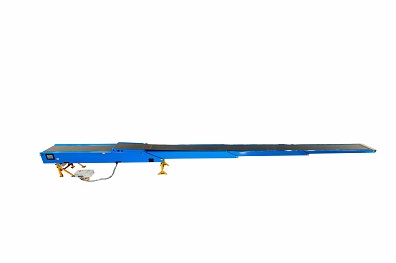
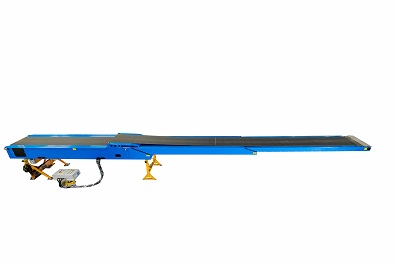
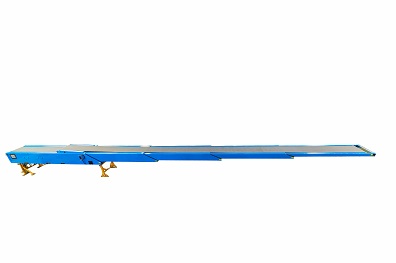
Extendable conveyors, also known as telescopic conveyors, are a type of conveyor system designed to expand and contract, providing flexibility in material handling applications. These conveyors are equipped with sections that can be extended or retracted, allowing them to adapt to different operational requirements. Typically used in warehouses, distribution centers, and manufacturing facilities, extendable belt conveyors offer several features that contribute to their efficiency and effectiveness.
Adaptability to Variable Workspaces
One of the primary advantages of extendable belt conveyors is their adaptability to variable workspaces. Traditional conveyor systems are often fixed in length, limiting their utility in environments with varying spatial constraints. Extendable conveyors overcome this limitation by providing the ability to extend and retract as needed. This adaptability makes them ideal for facilities where the layout may change, allowing for efficient material handling in dynamic settings.
Streamlining Loading and Unloading Processes
Efficient loading and unloading of goods are crucial aspects of material handling, and extendable belt conveyors excel in these operations. These conveyors can be extended into the cargo area of trucks or containers, facilitating the seamless transfer of goods between the conveyor and the storage space. This eliminates the need for manual handling of materials, reduces the risk of injuries, and significantly expedites the loading and unloading processes.
Increased Throughput and Productivity
Extendable belt conveyors contribute to increased throughput and productivity by minimizing downtime during material handling operations. The ability to extend and retract the conveyor sections allows for a continuous and uninterrupted flow of materials. This feature is particularly beneficial in high-volume environments where maintaining a steady workflow is essential for meeting production targets and customer demands.
Optimizing Warehouse Space
Space optimization is a critical consideration in modern warehouses and distribution centers. Extendable belt conveyors assist in optimizing warehouse space by providing a versatile and space-efficient solution. When not in use, these conveyors can be retracted, freeing up valuable floor space. This flexibility in space utilization is especially valuable in facilities where space constraints are a challenge.
Customization for Specific Applications
Extendable belt conveyors can be customized to meet the specific needs of different industries and applications. Whether it’s handling packages, cartons, or bulk materials, these conveyors can be tailored with various belt types, widths, and lengths to accommodate diverse materials. This customization ensures that the conveyor system aligns seamlessly with the unique requirements of the operation, further enhancing efficiency.
Enhancing Worker Safety
Worker safety is a top priority in any industrial setting. Extendable belt conveyors contribute to a safer working environment by minimizing manual material handling tasks that can lead to musculoskeletal injuries. With the conveyor system handling the bulk of material movement, workers can focus on supervisory and quality control tasks, reducing the risk of accidents and promoting a safer workplace.
Case Studies: Real-World Applications
To illustrate the practical benefits of extendable belt conveyors, let’s explore a few real-world case studies where businesses have successfully implemented this technology to enhance their material handling efficiency.
Case Study 1: E-commerce Fulfillment Center
A leading e-commerce company faced challenges in efficiently processing a high volume of incoming orders within tight timelines. By implementing extendable conveyors in their fulfillment center, they were able to streamline the order fulfillment process. The extendable conveyors allowed for quick and efficient loading of packages onto delivery trucks, resulting in a significant reduction in order processing time.
Case Study 2: Automotive Manufacturing Plant
An automotive manufacturing plant sought to optimize its assembly line by improving the flow of materials between workstations. Extendable belt conveyors were integrated into the production line, providing a flexible and adaptive solution. The ability to extend the conveyors when needed and retract them during non-production hours enhanced the overall efficiency of the manufacturing process.
The Future of Extendable Belt Conveyors
As technology continues to evolve, so too will the capabilities of extendable conveyors. The future holds exciting possibilities for further enhancing their efficiency in material handling. Several trends and advancements are likely to shape the trajectory of extendable belt conveyor technology:
Integration with IoT and Data Analytics:
The integration of extendable conveyors with the Internet of Things (IoT) enables real-time monitoring and data collection. By analyzing performance metrics and operational data, businesses can identify opportunities for optimization, predictive maintenance, and continuous improvement.
Automated Material Tracking and Sorting:
Automation is a key theme in modern material handling. Future developments may include advanced sensor technologies and artificial intelligence to enable automated tracking and sorting of materials on extendable belt conveyors. This could further reduce manual intervention and enhance the overall efficiency of logistics and distribution processes.
Energy Efficiency and Sustainability:
With a growing emphasis on sustainability, future iterations of extendable conveyors are likely to incorporate energy-efficient features. This may involve the use of eco-friendly materials, energy recovery systems, and innovative technologies to minimize environmental impact while maximizing operational efficiency.
Enhanced Customization and Scalability:
As industries become more diverse and dynamic, the demand for highly customizable and scalable solutions will rise. Future extendable belt conveyors may offer even greater flexibility in terms of size, configuration, and functionality, allowing businesses to adapt quickly to changing operational requirements.
Augmented Reality (AR) for Maintenance and Training:
Augmented Reality applications could play a role in maintenance procedures and operator training. AR interfaces may provide step-by-step guides for maintenance tasks, reducing downtime and enhancing the efficiency of troubleshooting processes. Additionally, AR-based training programs can contribute to a more skilled and adaptable workforce.
Collaboration with Robotics:
Collaboration between extendable belt conveyors and robotic systems is a promising avenue for improving efficiency. Robots could work in tandem with conveyors to perform tasks such as picking, packing, and palletizing, further automating material handling processes and increasing overall productivity.
Conclusion
In conclusion, extendable conveyors represent a transformative solution in the realm of material handling, offering a myriad of benefits that contribute to improved efficiency. From adaptability to variable workspaces and streamlined loading processes to increased throughput and space optimization, the advantages of extendable conveyors are diverse and impactful.
As industries continue to embrace automation and advanced technologies, the role of extendable belt conveyors in enhancing material handling efficiency is likely to become even more pronounced. By understanding the capabilities of this innovative technology and addressing associated challenges, businesses can position themselves for success in an increasingly competitive and dynamic marketplace.
Related Products