Introduction:
Material handling is a critical aspect of various industries, and efficiency in this process can significantly impact overall productivity. One technology that has gained prominence in recent years for its potential to enhance material handling efficiency is the telescopic boom conveyor. In this article, we will delve into the various ways in which telescopic boom conveyors can revolutionize material handling, exploring their key features, applications, benefits, and the future of this innovative technology.
Understanding Telescopic Boom Conveyors:
A. Definition and Components:
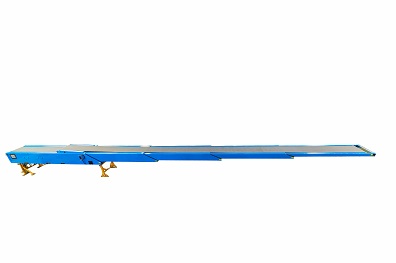
Telescopic boom conveyors are specialized equipment designed to extend and retract, offering a flexible and adjustable solution for material handling tasks. These conveyors typically consist of several sections that can be extended or contracted, allowing for easy adaptation to different loading and unloading scenarios.
B. Key Components:
Conveyor Belt: The conveyor belt is a crucial element that facilitates the movement of materials along the length of the telescopic boom.
Telescopic Sections: These sections can be extended or retracted, providing variable reach to accommodate diverse material handling requirements.
Control System: Advanced control systems enable precise operation, contributing to the overall efficiency of the conveyor.
Applications of Telescopic Boom Conveyors:
A. Warehousing and Distribution Centers:
Telescopic conveyors find extensive use in warehouses and distribution centers for loading and unloading trucks efficiently. The adjustable reach of these conveyors ensures optimal utilization of space and resources.
B. Manufacturing Processes:
In manufacturing, where the movement of raw materials and finished products is constant, telescopic boom conveyors offer a seamless solution. They can be integrated into production lines to streamline material flow.
C. Ports and Logistics:
Ports and logistics operations benefit from telescopic conveyors during the loading and unloading of ships. The versatility of these conveyors makes them ideal for handling a variety of cargo sizes and types.
Key Features Enhancing Efficiency:
A. Variable Reach:
The ability to extend and retract allows telescopic boom conveyors to adapt to different truck or container sizes, reducing downtime and optimizing loading and unloading processes.
B. Quick Setup and Teardown:
Telescopic conveyors are designed for rapid deployment and retraction, minimizing idle time and enhancing overall operational efficiency.
C. Customization Options:
Manufacturers often provide customization options, allowing businesses to tailor telescopic boom conveyors to specific requirements, further optimizing their performance.
Benefits of Telescopic Boom Conveyors:
A. Increased Productivity:
The adaptability and speed of telescopic conveyors contribute to increased productivity by reducing the time required for material handling tasks.
B. Space Optimization:
The variable reach feature enables efficient space utilization, particularly in confined environments such as warehouses and manufacturing facilities.
C. Cost Savings:
Telescopic boom conveyors can lead to cost savings through reduced labor requirements, faster material handling processes, and a minimized risk of damage to goods.
D. Improved Safety:
Advanced control systems and safety features enhance the overall safety of material handling operations, reducing the risk of accidents and injuries.

Future Trends and Innovations:
A. Integration with Automation:
The future of telescopic boom conveyors may involve increased integration with automation technologies, further enhancing their efficiency and reducing reliance on manual operation.
B. Enhanced Connectivity:
Advancements in connectivity and data analytics could enable telescopic conveyors to be part of a connected ecosystem, providing real-time insights into material handling processes.
C. Sustainable Practices:
The industry may see a shift towards more sustainable practices, with telescopic boom conveyors designed to minimize energy consumption and environmental impact.
Maintenance Strategies for Telescopic Conveyors:
Proper maintenance is essential to ensure the longevity and optimal performance of telescopic conveyors. Implementing a comprehensive maintenance strategy helps prevent unexpected breakdowns, minimizes downtime, and extends the lifespan of the equipment. In this section, we will explore key maintenance practices and considerations for telescopic boom conveyors.
A. Regular Inspections:
Visual Inspections:
Conduct visual inspections of the entire telescopic boom conveyor regularly. Look for signs of wear, damage, or misalignment in components such as conveyor belts, telescopic sections, and control systems.
Check for Loose Fasteners:
Ensure that all bolts, nuts, and fasteners are securely tightened. Loose fasteners can lead to misalignment and compromise the stability of the conveyor.
Inspect Conveyor Belts:
Examine the condition of conveyor belts for any signs of wear, tears, or damage. Replace damaged belts promptly to prevent disruptions in material handling processes.
B. Lubrication:
Lubricate Moving Parts:
Apply lubrication to moving parts such as hinges, joints, and bearings. Regular lubrication minimizes friction, reduces wear and tear, and contributes to the smooth operation of the telescopic boom conveyor.
Check Lubrication Levels:
Monitor lubrication levels to ensure that all components receive adequate lubrication. Insufficient lubrication can lead to premature wear and may result in the need for more extensive repairs.
C. Electrical and Control System Checks:
Inspect Wiring and Connections:
Regularly inspect the wiring and connections of the electrical components. Look for signs of fraying, loose connections, or damaged wires. Address any issues promptly to maintain the reliability of the control system.
Calibrate Sensors and Controls:
Calibrate sensors and controls to ensure accurate and precise operation. Misaligned sensors or inaccurate controls can lead to errors in material handling processes.
D. Training and Operator Awareness:
Operator Training:
Provide comprehensive training to operators on the proper use and maintenance of telescopic boom conveyors. Well-trained operators are better equipped to identify potential issues and perform routine maintenance tasks.
Encourage Reporting of Issues:
Foster a culture of proactive reporting among operators. Encourage them to report any abnormalities, unusual sounds, or performance issues promptly, allowing for early detection and resolution of potential problems.
E. Scheduled Preventive Maintenance:
Establish a Maintenance Schedule:
Develop a regular preventive maintenance schedule based on the manufacturer’s recommendations and the conveyor’s usage patterns. Scheduled maintenance can help identify and address issues before they escalate.
Document Maintenance Activities:
Keep detailed records of all maintenance activities, including inspections, repairs, and component replacements. Documentation provides a valuable reference for tracking the conveyor’s maintenance history.
F. Emergency Response Plan:
Develop an Emergency Response Plan:
Despite preventive measures, emergencies can still occur. Develop a clear and effective emergency response plan that outlines the steps to be taken in the event of a breakdown, ensuring a swift and organized response.
Maintain Spare Parts Inventory:
Keep an inventory of essential spare parts to facilitate quick replacements during emergency repairs. This minimizes downtime and accelerates the restoration of normal conveyor operation.
Conclusion:
Telescopic boom conveyors have emerged as a game-changer in the realm of material handling, offering a versatile and efficient solution for various industries. Their ability to adapt to different scenarios, coupled with benefits such as increased productivity and space optimization, positions them as a crucial technology in the evolving landscape of logistics and manufacturing. As we look to the future, continued innovation and integration with emerging technologies are likely to further solidify the role of telescopic boom conveyors in improving material handling efficiency across industries.
Related Products