Introduction
Maintaining the functionality and efficiency of extendable telescoping belt conveyors is crucial for the seamless operation of material handling systems in various industries. Regular and proactive maintenance not only extends the lifespan of the equipment but also ensures the safety of workers and prevents unexpected breakdowns that can disrupt production. In this comprehensive guide, we will delve into the key aspects of maintaining extendable telescoping belt conveyors, covering inspection routines, troubleshooting techniques, and best practices to optimize their performance.
I. Understanding Extendable Telescoping Belt Conveyors
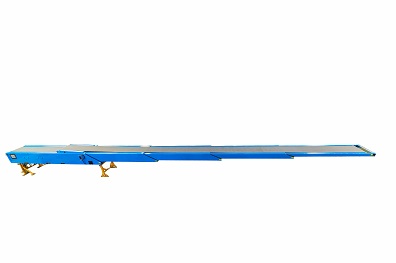
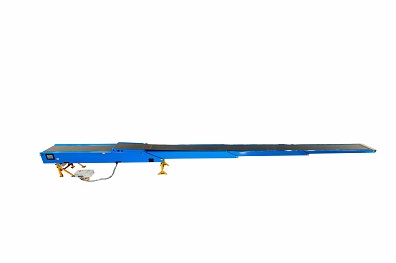
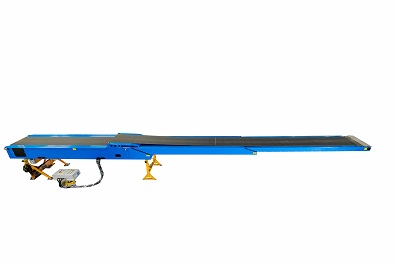
Before diving into maintenance procedures, it’s essential to have a basic understanding of how extendable telescoping belt conveyors operate. These conveyors are designed with sections that can be extended or retracted, offering flexibility in adapting to variable workspaces and handling different types of materials. The telescoping feature allows for adjustments in length, making them suitable for various applications such as loading and unloading trucks, transporting goods within warehouses, and facilitating streamlined material flow in manufacturing processes.
II. Importance of Regular Maintenance
Preventing Downtime:
Regular maintenance helps prevent unexpected breakdowns, reduce downtime, and ensure a continuous flow of materials. Downtime not only impacts productivity but can also result in financial losses and missed deadlines.
Ensuring Worker Safety:
Well-maintained conveyors contribute to a safer working environment. Addressing potential issues promptly minimizes the risk of accidents and injuries associated with malfunctioning equipment.
Maximizing Conveyor Lifespan:
Proper maintenance practices contribute to the longevity of extendable telescoping belt conveyors. This, in turn, protects the investment made by businesses and reduces the need for frequent replacements.
III. Components of Extendable Telescoping Belt Conveyors
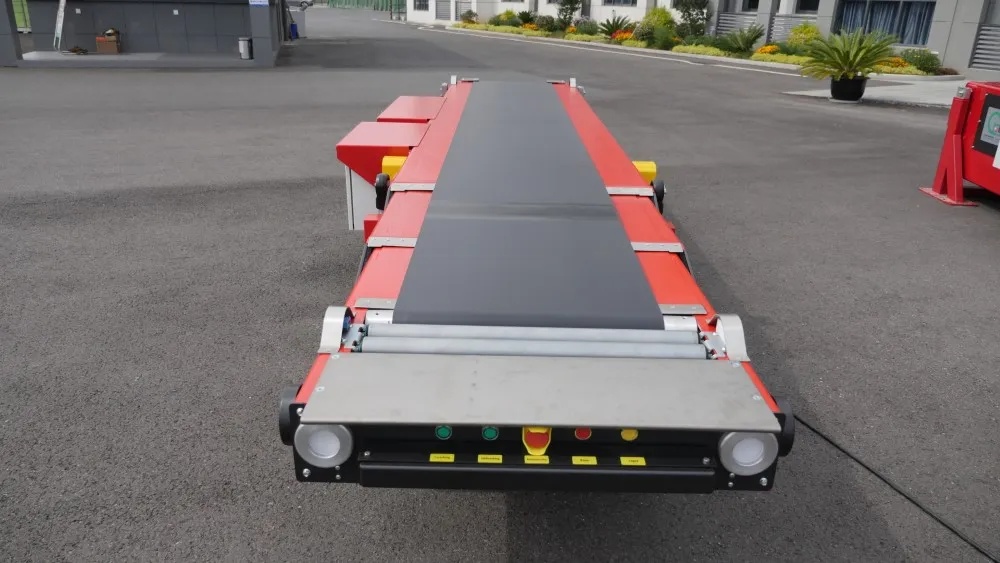
To effectively maintain extendable telescoping belt conveyors, it’s crucial to understand the various components that make up these systems. Common components include:
Telescoping Sections:
Regularly inspect telescoping sections for signs of wear, misalignment, or damage. Lubricate moving parts as recommended by the manufacturer to ensure smooth extension and retraction.
Belt and Rollers:
Examine the conveyor belt for wear, tears, or misalignment. Inspect the rollers for proper functioning and make adjustments as needed. Clean the belt regularly to prevent material buildup.
Drive System:
Check the drive system, including motors and gears, for signs of wear or unusual noises. Ensure that the drive system is properly lubricated according to the manufacturer’s guidelines.
Control and Electrical Systems:
Inspect control panels, sensors, and electrical components for loose connections, damaged wiring, or signs of overheating. Regularly test emergency stop functions to guarantee worker safety.
IV. Routine Maintenance Procedures
Daily Inspections:
Implement a daily inspection routine to quickly identify and address emerging issues. This includes checking for unusual noises and visual signs of wear and verifying that safety features are operational.
Lubrication Schedule:
Follow a regular lubrication schedule for all moving parts, including telescoping sections, rollers, and drive system components. Use lubricants recommended by the manufacturer to prevent premature wear.
Belt Tension Checks:
Regularly check and adjust belt tension to ensure optimal performance. Proper tension prevents slippage and enhances the lifespan of both the belt and the conveyor system.
Alignment Verification:
Verify the alignment of telescoping sections and rollers to prevent uneven wear and ensure the conveyor operates smoothly. Misalignment can lead to increased friction, affecting overall efficiency.
V. Troubleshooting and Problem Resolution
Identifying Common Issues:
Train maintenance personnel to identify common issues such as belt misalignment, telescoping section malfunctions, and electrical problems. Quick identification facilitates prompt resolution.
Emergency Response Plans:
Develop and communicate emergency response plans to address unexpected issues. This includes clear procedures for shutdown, troubleshooting, and contacting maintenance support.
Collaboration with Manufacturers:
Establish a collaborative relationship with the conveyor system manufacturer. Utilize their expertise for troubleshooting and seek guidance on resolving complex issues.
VI. Best Practices for Extendable Telescoping Belt Conveyor Maintenance
Documentation:
Maintain detailed records of maintenance activities, including inspection dates, lubrication schedules, and any repairs or adjustments made. Documentation provides insights into the conveyor’s performance history.
Employee Training:
Ensure that maintenance personnel receive thorough training on the specific features and maintenance requirements of extendable telescoping belt conveyors. Well-trained personnel are better equipped to handle routine maintenance and troubleshoot issues effectively.
Regular Training Updates:
Schedule regular training updates to keep maintenance personnel informed about new technologies, maintenance techniques, and safety protocols. Staying up-to-date ensures that the maintenance team is well-prepared to address evolving challenges.
Collaborative Approach:
Foster a collaborative approach between maintenance teams and operational staff. Encourage communication about any observed irregularities or concerns regarding conveyor performance.
Conclusion
In conclusion, the maintenance of extendable telescoping belt conveyors is a multifaceted responsibility that requires a proactive and systematic approach. Regular inspections, routine maintenance procedures, troubleshooting protocols, and adherence to best practices are key elements in ensuring the longevity and optimal performance of these crucial material handling systems.
By prioritizing maintenance efforts and investing in employee training, businesses can create a culture of efficiency, safety, and reliability around extendable telescoping belt conveyors. In doing so, they not only protect their operational investments but also contribute to the overall success and competitiveness of their industrial processes.
Related Products