Introduction:
Material handling is a critical aspect of logistics and warehouse operations, and the efficiency of loading and unloading processes can significantly impact overall productivity. In recent years, loading dock conveyors have emerged as a game-changer, offering innovative solutions to streamline material handling. In this comprehensive article, we will delve into the profound impact of loading truck dock conveyors on material handling, exploring their key features, benefits, applications, and the evolving landscape of this transformative technology.
Understanding Loading Dock Conveyors:
A. Definition and Components:
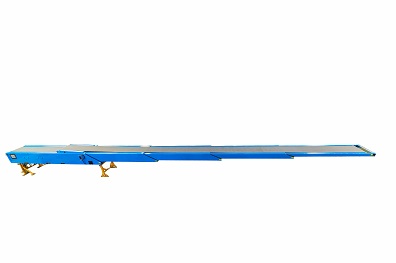
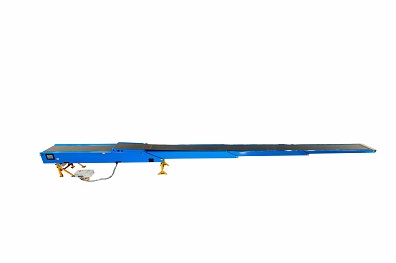
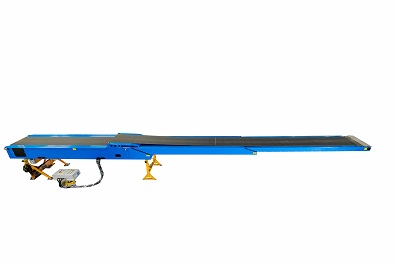
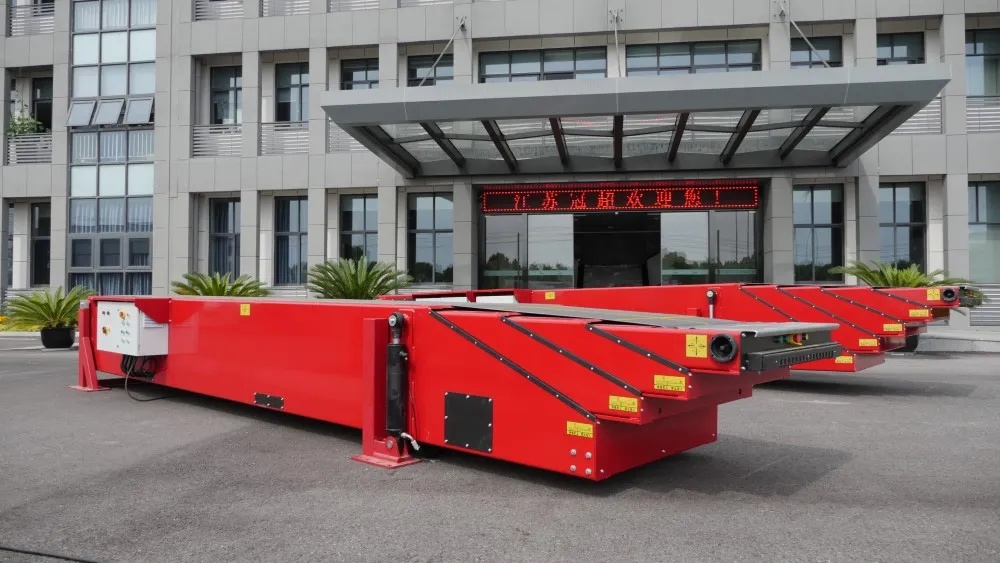
Loading dock conveyors are specialized systems designed to facilitate the movement of goods between a loading dock and a transport vehicle. These conveyors consist of several essential components, each playing a crucial role in optimizing material handling processes.
1. Conveyor Belts:
The conveyor belt is the backbone of loading truck dock conveyors, providing a continuous surface for the smooth transfer of goods. Different types of conveyor belts cater to various materials and loading requirements.
2. Roller Systems:
Roller systems are often integrated into loading dock conveyors, reducing friction and allowing for efficient movement of items. These systems can be gravity-driven or motorized, depending on the specific needs of the operation.
3. Control Systems:
Advanced control systems govern the operation of loading truck dock conveyors, ensuring precise movement, synchronization, and safety. These systems may include sensors, PLCs (Programmable Logic Controllers), and other automation technologies.
Benefits of Loading Dock Conveyors:
Loading truck dock conveyors offer a myriad of benefits that revolutionize material handling in warehouses, distribution centers, and manufacturing facilities.
A. Enhanced Efficiency:
1. Rapid Loading and Unloading:
Loading dock conveyors expedite the loading and unloading of goods, reducing the time required for these processes. This efficiency is particularly crucial in fast-paced industries where quick turnaround times are essential.
2. Continuous Flow:
The continuous flow facilitated by loading truck dock conveyors minimizes interruptions in material handling, contributing to a more streamlined and productive operation.
B. Improved Safety:
1. Injury Prevention:
Automation and safety features incorporated into loading dock conveyors reduce the risk of manual handling injuries. Workers are less exposed to heavy lifting and repetitive motions, enhancing workplace safety.
2. Precision Control:
Advanced control systems ensure precise movement and positioning of goods, minimizing the likelihood of accidents or damage during loading and unloading.
C. Space Utilization:
1. Maximizing Space:
Loading dock conveyors are designed to optimize space utilization. They can be configured to fit within the available space efficiently, allowing for better overall warehouse layout and organization.
2. Adaptability:
The adaptability of loading truck dock conveyors to different loading scenarios and cargo sizes further enhances space utilization, making them versatile solutions for varying operational needs.
Applications of Loading Dock Conveyors:
Loading truck dock conveyors find extensive applications across diverse industries, each benefiting from the efficiency and versatility of these systems.
A. Warehousing and Distribution:
1. Sorting and Distribution:
Loading dock conveyors play a vital role in sorting and distributing goods within a warehouse. Their ability to handle different types of items contributes to the overall logistics efficiency.
2. Cross-Docking Operations:
Cross-docking, a logistics strategy that involves unloading materials from incoming trucks and loading them directly onto outbound trucks with minimal storage, is greatly facilitated by loading truck dock conveyors.
B. Manufacturing Processes:
1. Just-In-Time Manufacturing:
Loading dock conveyors support just-in-time manufacturing processes by ensuring the timely delivery and handling of materials required for production.
2. Assembly Line Integration:
In manufacturing assembly lines, loading truck dock conveyors seamlessly integrate with production processes, enabling a continuous and efficient flow of materials.
C. Retail and E-Commerce:
1. Order Fulfillment:
Loading dock conveyors are instrumental in the rapid fulfillment of customer orders in retail and e-commerce operations. They contribute to quick and accurate loading of delivery vehicles.
2. Returns Processing:
Efficient handling of returns is critical in the retail sector, and loading truck dock conveyors aid in the smooth processing of returned items, minimizing disruptions in the supply chain.
Advanced Features and Innovations:
As technology continues to advance, loading conveyors evolve with new features and innovations that further enhance their impact on material handling.
A. IoT Integration:
1. Smart Sensors:
Loading dock conveyors are incorporating smart sensors that provide real-time data on the status of goods, conveyor performance, and potential issues. This data-driven approach allows for proactive maintenance and operational optimization.
2. Connectivity:
Integration with the Internet of Things (IoT) enables loading conveyors to be part of a connected ecosystem, allowing for remote monitoring, control, and data analytics for continuous improvement.
B. Automation and Robotics:
1. Automated Loading and Unloading:
Robotics is increasingly being integrated into loading dock conveyor systems, enabling automated loading and unloading of goods. This reduces the need for manual intervention and enhances overall efficiency.
2. Autonomous Vehicles:
Loading conveyors may be linked with autonomous vehicles for seamless material movement within a facility. This combination of automation technologies further streamlines the logistics process.
Sustainability and Loading Dock Conveyors:
Sustainability is a growing concern in modern business practices, and loading conveyors contribute to eco-friendly material handling.
A. Energy-Efficient Design:
1. Energy-Saving Technologies:
Loading conveyors are incorporating energy-efficient technologies, such as regenerative braking and power-saving modes, to minimize their environmental impact.
2. Green Materials and Manufacturing:
Manufacturers are increasingly using sustainable materials in the construction of loading dock conveyors. Additionally, eco-friendly manufacturing processes contribute to a more sustainable supply chain.
B. Reduced Carbon Footprint:
1. Efficient Transportation:
By facilitating quicker loading and unloading processes, loading conveyors contribute to more efficient transportation, reducing the carbon footprint associated with prolonged idling of vehicles.
2. Waste Reduction:
The precision and accuracy of loading dock conveyors minimize the risk of goods being damaged during handling, reducing the overall waste generated in the material handling process.
Industry Perspectives and Future Trends:
A. Testimonials and Success Stories:
1. Industry Experts’ Views:
Industry experts share their perspectives on the transformative impact of loading dock conveyors in various sectors. These insights provide valuable context for businesses considering the adoption of this technology.
2. User Testimonials:
Hearing from businesses that have successfully integrated loading conveyors provides real-world insights into the practical benefits and challenges associated with these systems.
B. Future Trends and Innovations:
1. Integration with AI:
The integration of artificial intelligence (AI) is expected to play a significant role in the future of loading conveyors. AI algorithms can optimize material flow, predict maintenance needs, and enhance overall efficiency.
2. Sustainable Practices:
The industry is likely to witness a greater emphasis on sustainable practices, with loading dock conveyors designed to minimize energy consumption, utilize recyclable materials, and contribute to eco-friendly operations.
Conclusion:
In conclusion, the impact of loading conveyors on material handling is profound and multifaceted. From enhancing efficiency and safety to introducing advanced features and sustainability practices, these conveyors have become integral to the modern supply chain. As businesses continue to navigate the dynamic landscape of logistics and warehousing, the strategic adoption of loading dock conveyors can provide a competitive edge, driving productivity, reducing costs, and contributing to a more sustainable future.
The journey of loading conveyors is an ongoing evolution, with technological advancements and industry trends shaping their role in material handling. As we look to the future, the integration of smart technologies, automation, and a commitment to sustainable practices will likely define the next chapter in the story of loading dock conveyors and their transformative impact on material handling.
Related Products